Individual results may vary. Rx Only. View important safety information at inspiresleep.com/safety.
Can weight loss improve obstructive sleep apnea?
Discover how weight gain can worsen obstructive sleep apnea (OSA) symptoms – and how treating sleep apnea may support weight management and overall health.
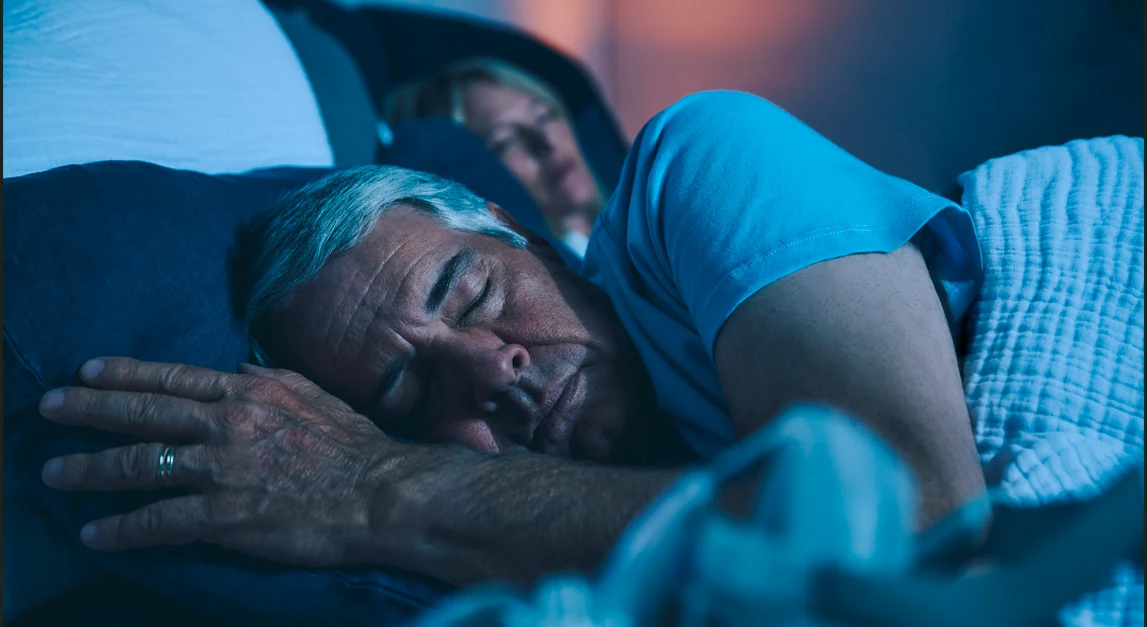
If you’re carrying extra weight, you may already be facing a range of health challenges – and obstructive sleep apnea (OSA) could be one of them. You might be wondering: Could losing weight reduce my sleep apnea symptoms and help me sleep better?
Quality sleep is essential for your overall health and well-being. Without it, your risk for serious conditions like high blood pressure, type 2 diabetes and depression increases. Poor sleep can also make it harder to lose weight, creating a frustrating cycle that’s hard to break.
In this article, we’ll explore the connection between excess weight and obstructive sleep apnea – and how weight loss may help relieve symptoms and expand treatment options.
Quick recap: What is sleep apnea?
When you have obstructive sleep apnea, the muscles in your throat, including your tongue, relax during sleep and block your airflow, making it difficult to breathe regularly. These interruptions in breathing, called sleep apnea events, can happen repeatedly throughout the night, often lasting for several seconds. Each time one does, your brain wakes you up so you take a breath. You may not remember waking up.
If this happens five or more times per hour, it can prevent you from getting the deep, restorative sleep your body and mind need.
The number of sleep apnea events indicates the severity of your sleep apnea – and the more severe your condition, the more associated serious health risks:
Mild: 5-14 sleep apnea events per hour
Moderate: 15-30 sleep apnea events per hour
Severe: More than 30 sleep apnea events per hour
Risk factors
Weight plays a role because the risk of developing obstructive sleep apnea tends to increase as a person’s body mass index (BMI) increases. BMI is a height-to-weight ratio clinicians commonly use as a general indicator of whether someone is at a healthy weight.
Other risk factors for developing obstructive sleep apnea include the shape and structure of your nose, throat or airway, such as having large tonsils or adenoids, a smaller airway, a thick neck, or weak muscle tone in the throat or neck. Certain health conditions – such as asthma, obesity, hypothyroidism and diabetes – can also increase your risk. So can aging, genetics and lifestyle factors such as alcohol use, smoking and sedative use.
How does excess weight contribute to sleep apnea?
Having excess weight or obesity can lead to fat deposits in your neck that can narrow or block the upper airway. This makes it harder to pass air through and breathe. It’s also why people with excess weight often snore. The air is pushed through a tighter space and rattles the soft tissues in the back of the throat, making the vibration that produces the snoring sound.
Excess weight can constrict other parts of the body, too, like your chest. This can decrease your lung capacity and limit airflow, which in turn makes it so your upper airway is more likely to collapse. Even modest weight gain over time can raise your risk of developing obstructive sleep apnea.
It’s important to note: If you are concerned you’re gaining weight and/or developing obstructive sleep apnea, it’s important to consult a healthcare provider for an evaluation and proper diagnosis.
How does sleep apnea contribute to weight gain?
Chronic poor sleep changes how the hormones that control your appetite work. When you don’t get enough sleep, your body produces more of the hormone ghrelin, which makes you feel hungry – and less of the hormone leptin, which helps you feel full. This hormonal shift can lead to eating more and gaining weight.
At the same time, chronic poor sleep makes it harder to lose weight by disrupting stress hormones and slowing the body’s ability to turn calories into energy.
In addition, chronic poor sleep makes it harder to get through the day. People with sleep apnea often feel exhausted most of the time. This can affect your ability to concentrate, stay alert, be physically active or think clearly. It can also make you feel irritable, short-tempered and drained. All of this can add up to less energy or motivation to do the things that support overall health and wellness – like preparing and eating nutritious foods and moving your body.
How can losing excess weight help with sleep apnea?
Addressing lifestyle factors is usually included in a provider’s treatment plan to reduce obstructive sleep apnea symptoms. This may include encouraging you to lose excess weight if you’re overweight, be more active, and improve your sleep schedule and environment, and stop smoking, drinking alcohol or taking sedatives.
While losing excess weight doesn’t usually “cure” obstructive sleep apnea, it can help reduce symptoms and bring them to a safer level. However, many people with moderate to severe obstructive sleep apnea still need medical treatment even after reaching and maintaining a healthy weight. That’s often because excess weight can make symptoms worse, but isn’t necessarily the root or only cause of the condition. As mentioned above, sleep apnea can be linked to a range of factors, including structural ones that weight loss alone can’t resolve.
The good news is, in addition to its well-known health and well-being benefits, losing excess weight can positively affect your sleep apnea treatment plan and open up your options.
Comprehensive research shows losing weight can help improve many of the negative health effects associated with obstructive sleep apnea. For example, people with obstructive sleep apnea who achieve a healthy weight tend to have fewer sleep apnea events on average. They also often experience improvements in mood, energy levels, cardiovascular health, blood pressure, diabetes management and overall quality of life.1
Does losing excess weight expand sleep apnea treatment options?
Common treatment options
The most common treatment for moderate to severe obstructive sleep apnea is a continuous positive air pressure (CPAP) machine. The device delivers air directly into the airway through a hose and mask system that’s attached over the nose and mouth. The air pressure helps keep your airway open during sleep, so you can breathe more easily.
But nearly half of people struggle with it and stop using it.2,3 They find the mask uncomfortable or restricting, and struggle with the required maintenance. Some people also feel self-conscious using the system, and some bed partners find the machine disturbing.
When CPAP isn’t working, many people with sleep apnea become interested in Inspire® therapy. It’s one of the most chosen next-line options – and 91% of Inspire patients say Inspire therapy is better than CPAP.4
Inspire therapy is a mask-free5 solution that works comfortably6 inside your body to treat the root cause of obstructive sleep apnea. The small Inspire® implant gently stimulates the hypoglossal nerve – which controls tongue movement – to help gently move your tongue forward to keep your airway open, so you can breathe regularly and sleep soundly.
Inspire therapy is highly rated by patients – 90% of people report satisfaction,7 and it offers freedom from masks and daily maintenance.
Both CPAP and Inspire therapy are proven to be safe and effective treatment options for obstructive sleep apnea. They both work well for many individuals. And they both offer strong insurance coverage options by commercial plans, Medicare and Veterans Affairs (VA).
Weight restrictions
While CPAP doesn’t have any weight restrictions, Inspire therapy is currently approved for individuals with a BMI of 40 or below – over 90% of U.S. adults are within this eligibility range.8 However, some insurance plans have specific BMI requirements for Inspire therapy coverage. For instance, Medicare currently requires a BMI under 35.
Because policies vary, it’s best to check directly with your insurance company to confirm your coverage information for Inspire therapy.
For individuals who do not meet their insurance policy’s BMI criteria for Inspire therapy, consulting with a healthcare provider about weight management options may be helpful. There is no one-size-fits-all solution for treating sleep apnea or working toward a healthier weight, but there are many safe, supportive ways.
Sources
1 Sleep Foundation, How Weight Affects Sleep Apnea. April 30, 2024.
2 Rotenberg et al. Trends in CPAP adherence over twenty years of data collection: a flattened curve. Journal of Otolaryngology Head and Neck Surgery 2016; 45:43.
3 Weaver, TE, Sawyer, AM. "Adherence to Continuous Positive Airway Pressure Treatment for Obstructive Sleep Apnea: Implications for Future Inventions." Indian Journal of Medical Research, 2010; 131: 245-258.
4 Data on file.
5 ADHERE Registry: Data on File.
6 Suurna MV, Steffen A, Boon M, et al. Impact of Body Mass Index and Discomfort on Upper Airway Stimulation: ADHERE Registry 2020 Update. Laryngoscope 2021; 131(11): 2616-2624.
7 Data on file.
8 National Institute of Diabetes and Digestive and Kidney Diseases, U.S. Department of Health and Human Services, “Overweight & Obesity Statistics - Niddk.” September 2021.
SleepApnea.org, How Weight Affects Sleep Apnea. May 11, 2023.
Cleveland Clinic, Sleep Deprivation: What It Is, Symptoms, Treatment & Stages. August 11, 2022.
Mayo Clinic, Obstructive sleep apnea - Symptoms and causes. July 14, 2023.
Obesity Medicine Association, Obesity and Sleep Apnea: Understanding the Connection.
PMC, Weight Loss Is Integral to Obstructive Sleep Apnea Management. Ten-Year Follow-up in Sleep AHEAD. January 15, 2022.
SleepApnea.org, How Weight Affects Sleep Apnea. May 11, 2023.
Sleep Foundation, Before and After CPAP Machine Effects: How Your Body Changes. July 9, 2025.
U.S. Food and Drug Administration, FDA Approves First Medication for Obstructive Sleep Apnea. December 20, 2024.
World Health Organization, Obesity: Health consequences of being overweight. March 1, 2024.
Related Articles
 Sleep Quality & Lifestyle
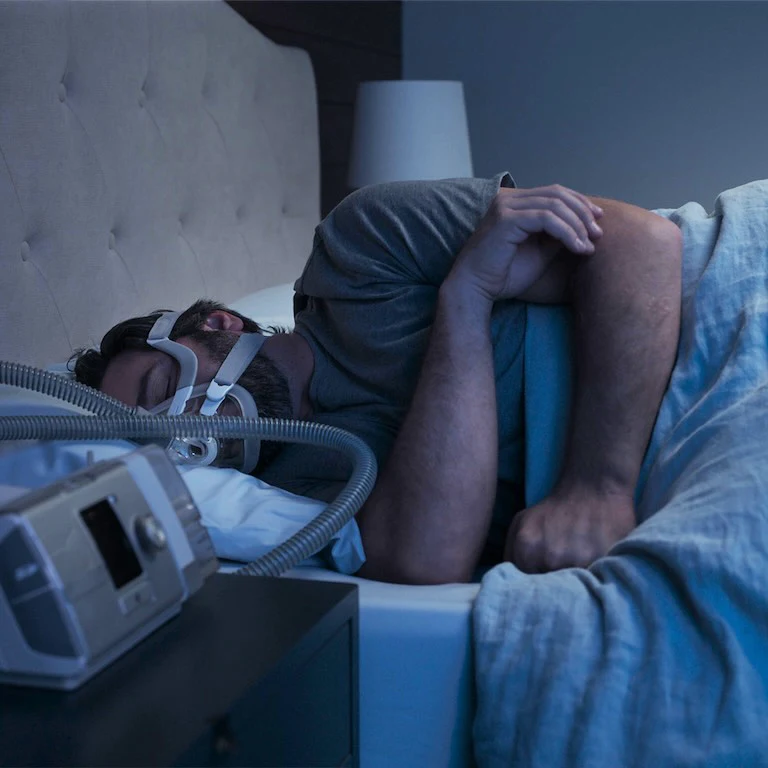
Tips for easier trips: Traveling with CPAP and other sleep apnea treatments
Traveling with sleep apnea? Discover practical tips for traveling with CPAP and explore other sleep apnea treatments that make traveling easier.
Read More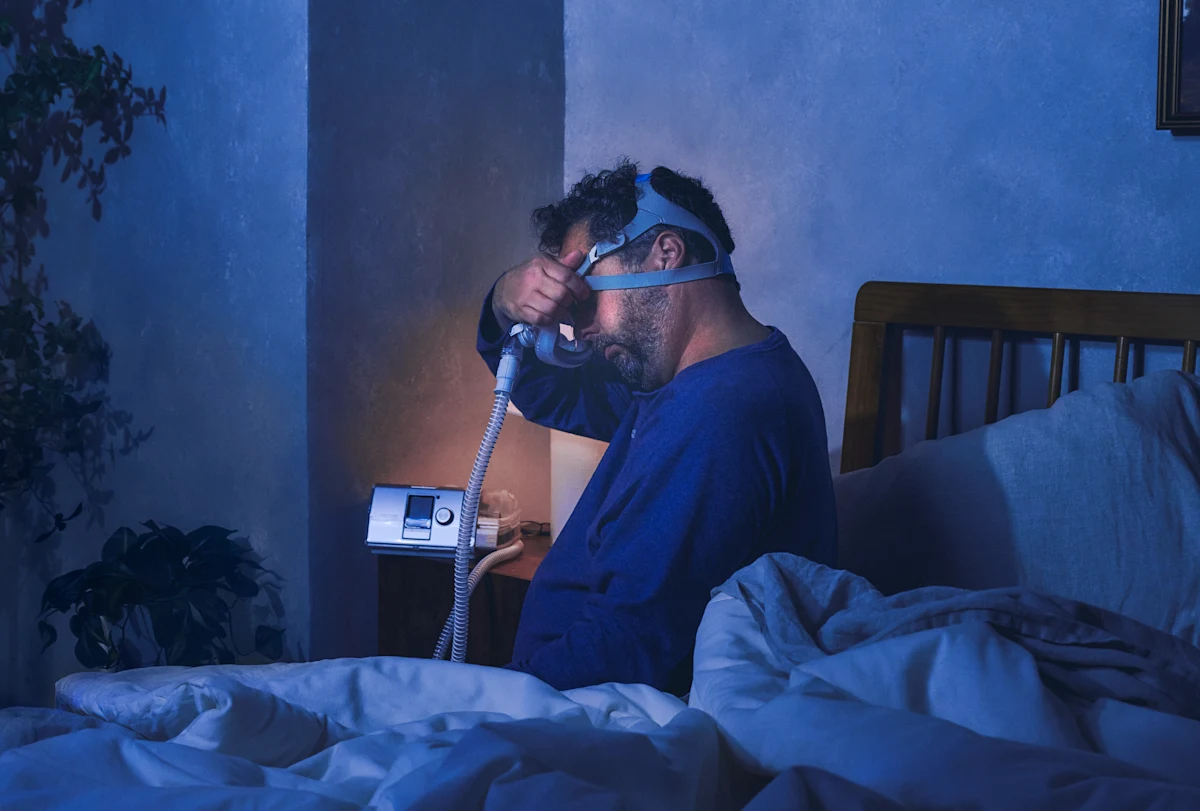 Sleep Quality & Lifestyle
CPAP doesn’t work for me – why?
Learn why CPAP doesn’t work for everyone and what to do next
Read More Sleep Quality & Lifestyle
Feeling stressed? Struggling to sleep? Learn how these symptoms can fuel each other
Explore how stress and sleep apnea interact and ways to improve your health and well-being.
Read MoreInterested in learning more?
We’re here to help. Fill out the form below to receive more information about Inspire therapy, including how to qualify and what to expect.